
Introduction
As global industries expand, the demand for efficient and affordable housing solutions for workers has become increasingly vital. In various sectors, from construction to mining and beyond, providing adequate accommodations for employees is essential to ensuring their well-being and productivity. Lida Group, a leader in prefabricated building solutions, has introduced container houses as a cost-effective and practical option for workers’ dormitory housing. This article explores the advantages of Lida Group’s container houses, their design features, applications, and the broader implications for the workforce and industry.
Understanding Container Houses
What Are Container Houses?
Container houses are structures built using repurposed shipping containers, transformed into livable spaces. These houses can be customized to serve various purposes, including dormitories for workers. Lida Group specializes in designing and manufacturing these container houses, ensuring they meet the specific needs of industries that require temporary or permanent housing solutions.
Key Features of Lida Group Container Houses
- Durability: Constructed from steel, container houses are resistant to environmental stresses, pests, and decay, making them long-lasting.
- Modular Design: The modular nature of container houses allows for easy assembly and customization, catering to different group sizes and configurations.
- Cost-Effectiveness: Utilizing repurposed materials significantly reduces construction costs, making them an economical choice for housing solutions.
The Need for Affordable Workers’ Housing
Challenges in Providing Adequate Housing
As industries grow, many face challenges in providing sufficient housing for workers:
- Rising Construction Costs: Traditional building methods can be prohibitively expensive, especially in remote locations where labor and materials are costly.
- Time Constraints: Rapid project timelines often necessitate quick and efficient housing solutions that can be deployed without extensive delays.
- Worker Satisfaction: Adequate housing is crucial for worker morale and productivity, impacting overall project success.
The Role of Container Houses
Container houses offer a viable solution to these challenges by providing affordable, durable, and quickly deployable housing options. Their unique design and construction process allow for efficient use of resources while meeting the needs of a diverse workforce.
Benefits of Lida Group Container Houses
1. Cost-Effectiveness
Lida Group’s container houses provide significant cost savings:
- Lower Construction Costs: By utilizing repurposed shipping containers, the material costs are significantly reduced compared to traditional building methods.
- Reduced Labor Costs: The prefabrication process minimizes on-site labor requirements, leading to lower overall project costs.
- Long-Term Savings: The durability of container houses reduces maintenance and replacement costs over time, providing long-term financial benefits.
2. Rapid Deployment and Assembly
Time is often of the essence in industries requiring worker housing:
- Quick Setup: Container houses can be erected in a matter of days, allowing companies to meet urgent housing demands without delays.
- Modular Flexibility: The modular design permits easy expansion or reconfiguration as project needs change, ensuring that housing can grow alongside workforce requirements.
3. Enhanced Durability and Safety
Worker safety and comfort are paramount:
- Weather Resistance: Container houses are designed to withstand harsh weather conditions, providing safe shelter for workers in various environments.
- Pest Resistance: The steel construction prevents infestations, ensuring a healthier living environment for occupants.
4. Customization and Comfort
Lida Group’s container houses can be tailored to meet specific needs:
- Interior Layouts: Container houses can be designed with various layouts to accommodate different group sizes and preferences, including private rooms, communal spaces, and kitchen facilities.
- Modern Amenities: Many container houses come equipped with essential amenities such as bathrooms, kitchens, and heating/cooling systems, ensuring a comfortable living experience.
5. Sustainability and Environmental Impact
Container houses promote sustainable practices:
- Recycling and Repurposing: Using repurposed shipping containers reduces waste and promotes a circular economy in construction.
- Energy Efficiency: Container houses can be designed with energy-efficient features, such as insulation and solar panels, minimizing their environmental footprint.
Applications of Lida Group Container Houses
1. Construction Sites
Container houses are particularly beneficial for construction sites:
- Temporary Housing: They provide safe and comfortable temporary accommodations for workers on-site, reducing the need for lengthy commutes.
- On-Site Facilities: Container houses can serve multiple purposes, functioning as offices, break rooms, and storage spaces, thereby optimizing site operations.
2. Mining Operations
In remote mining locations, container houses offer a practical solution:
- Remote Living: Container houses can be easily transported to isolated areas, providing essential housing for workers in locations where traditional construction is impractical.
- Safety and Security: Their sturdy construction ensures that miners have safe shelter in harsh environments, enhancing worker safety.
3. Disaster Relief and Humanitarian Aid
Container houses can play a crucial role in disaster relief efforts:
- Emergency Shelter: They can be deployed quickly to provide emergency housing for displaced populations after natural disasters.
- Long-Term Solutions: Container houses can also serve as longer-term housing solutions in areas affected by prolonged crises.
4. Military and Defense Applications
The military can utilize container houses for various needs:
- Field Operations: Container houses provide mobile housing units that can be easily transported and set up in temporary installations.
- Base Camps: They can be used to create comfortable living quarters for personnel stationed in remote or challenging environments.
5. Hospitality and Tourism
The hospitality industry can benefit from container houses as well:
- Unique Accommodations: Container houses can be transformed into unique lodging options, attracting tourists seeking novel experiences.
- Eco-Friendly Resorts: They can be integrated into eco-friendly resorts, appealing to environmentally conscious travelers.
Case Studies: Successful Implementations
1. Lida Group’s Construction Site Housing
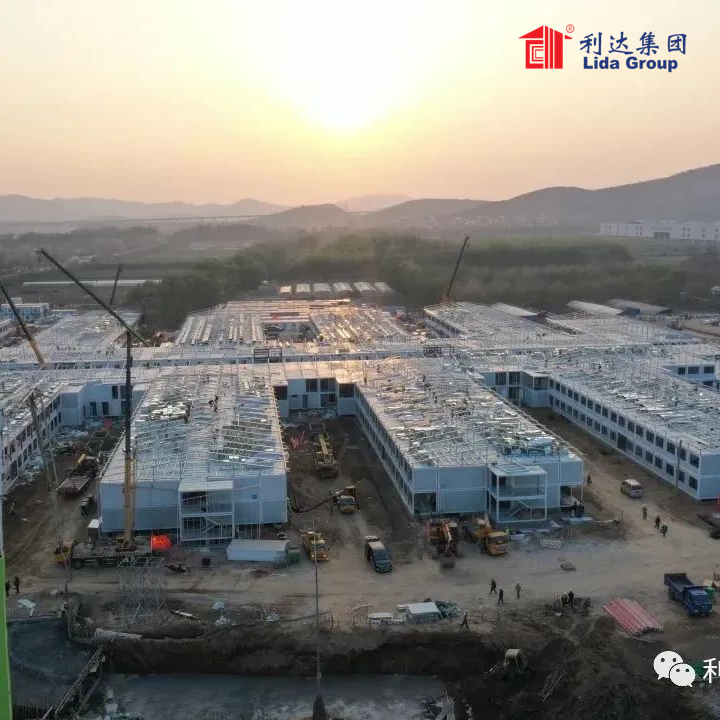
Lida Group successfully implemented container houses at a major construction site in Southeast Asia. The project involved setting up temporary housing for over 200 workers. The container houses featured modern amenities and communal spaces, leading to improved worker satisfaction and productivity. The rapid deployment of these houses allowed the project to stay on schedule, demonstrating the efficiency of container housing solutions.
2. Mining Operations in Australia
In a remote Australian mining operation, Lida Group provided container houses for workers. The harsh environmental conditions required durable and secure housing. The container houses not only met these requirements but also offered comfort and modern amenities. The project resulted in higher retention rates and improved morale among workers, highlighting the effectiveness of container houses in challenging settings.
3. Humanitarian Aid in Disaster Zones
Lida Group partnered with humanitarian organizations to provide container houses in regions affected by natural disasters. These houses served as emergency shelters for displaced families, offering a safe and secure living environment. The quick deployment and adaptability of container houses made them an invaluable resource in disaster relief efforts, showcasing their potential in humanitarian applications.
Overcoming Challenges in Implementing Container Houses
1. Regulatory Compliance
Navigating local regulations can be a challenge:
- Understanding Local Codes: It’s crucial for project managers to understand local building codes and zoning regulations regarding container houses.
- Engagement with Authorities: Early communication with local authorities can facilitate the approval process and ensure compliance with necessary regulations.
2. Initial Investment Costs
While container houses offer long-term savings, initial investment costs can be a concern:
- Financing Options: Exploring financing options, such as loans or partnerships, can help alleviate upfront costs for organizations.
- Demonstrating Value: Emphasizing the long-term economic and environmental benefits can help stakeholders recognize the value of investing in container houses.
3. Public Perception
There may be misconceptions about the quality of container houses:
- Education and Outreach: Providing educational resources and outreach programs can help raise awareness about the benefits of container housing.
- Showcasing Success Stories: Highlighting successful implementations can build trust and enthusiasm among potential users and stakeholders.
The Future of Container Houses in Workers’ Housing
1. Technological Advancements
As technology evolves, container houses will likely benefit from new innovations:
- Smart Home Features: The integration of smart technologies, such as IoT devices for climate control and security, can enhance the living experience in container houses.
- Sustainable Materials: The development of new sustainable materials and construction techniques will further improve the environmental impact of container houses.
2. Growing Demand for Flexible Housing Solutions
The increasing need for flexible and affordable housing will drive the demand for container houses:
- Urbanization Trends: As urban areas expand, container houses can provide quick and adaptable housing solutions for growing populations.
- Changing Workforce Needs: Industries will continue to seek innovative housing options to accommodate a diverse and mobile workforce, positioning container houses as a preferred choice.
3. Expansion into New Markets
The versatility of Lida Group’s container houses makes them suitable for various regions and applications:
- Emerging Markets: Developing countries may increasingly adopt container housing solutions to address housing shortages and improve living conditions.
- Diverse Applications: The adaptability of container houses allows for their use in various sectors, from construction to hospitality.
Conclusion
Lida Group’s container houses represent a transformative approach to workers’ dormitory housing solutions. Their cost-effectiveness, durability, and rapid deployment make them an ideal choice for various industries seeking efficient accommodations for their workforce. As the challenges of providing adequate housing continue to grow, container houses offer a viable solution that addresses both economic and environmental concerns.
By embracing the innovative design and construction of container houses, industries can improve worker satisfaction, enhance productivity, and contribute to sustainable practices in housing. The future of container houses looks promising, as they continue to evolve and adapt to the needs of a changing world. As organizations seek flexible and affordable housing solutions, Lida Group’s container houses stand out as a practical choice for the modern workforce.
Contact Us
Post time: Oct-20-2024